How I Made the Mediterranean Diet Work Without Breaking the Rules
The Mediterranean diet isn’t just about what you eat—it’s about changing how you think about food. I struggled at first, especially with dietary restrictions that felt limiting. But over time, I discovered simple swaps and smart strategies that made it sustainable. This isn’t a quick fix; it’s a proven, natural way to feel better. If you’ve ever wondered how to follow this lifestyle without feeling deprived, you’re not alone. Let’s explore how to make it work—realistically and effectively.
Understanding the Core of the Mediterranean Diet
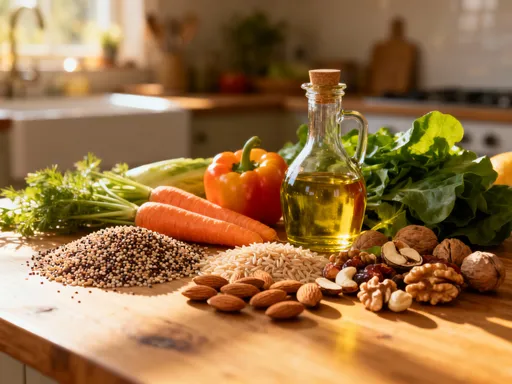
The Mediterranean diet is more than a collection of recipes—it’s a way of living centered around fresh, whole foods and mindful eating. At its heart, this dietary pattern emphasizes plant-based ingredients such as fruits, vegetables, whole grains, legumes, nuts, and seeds. Healthy fats, particularly extra virgin olive oil, replace butter and processed oils as the primary fat source. Fish and seafood are encouraged several times a week, while poultry, eggs, and dairy appear in moderate amounts. Red meat is limited, typically reserved for special occasions or small portions a few times a month. This balance supports long-term health, backed by decades of research linking the diet to reduced risks of heart disease, type 2 diabetes, cognitive decline, and overall mortality.
One of the most empowering aspects of the Mediterranean diet is its flexibility. Unlike rigid meal plans that dictate exact calories or ban entire food groups, this approach allows room for personal preferences and cultural traditions. It’s not about perfection but consistency—choosing nutrient-dense foods most of the time while still enjoying meals with family and friends. Meals are often shared, eaten slowly, and treated as moments of connection rather than mere fuel. This social and emotional component is just as important as the food itself, reinforcing sustainable habits over short-term restrictions.
Despite its widespread acclaim, misconceptions persist. Some believe it requires expensive ingredients or constant access to specialty markets. Others assume it means eating only Greek or Italian cuisine. In reality, the Mediterranean diet is adaptable to any kitchen. Its foundation lies in principles, not specific dishes: prioritize plants, choose healthy fats, limit processed foods, and enjoy meals with presence. Whether you’re shopping at a local grocery store or preparing meals on a budget, these guidelines can be applied widely. The key is understanding that this isn’t a temporary diet but a lifelong shift toward nourishing your body and mind in a balanced, enjoyable way.
Common Dietary Restrictions That Intersect with the Diet
While the Mediterranean diet offers broad health benefits, many individuals face dietary limitations that can make adoption seem challenging. Gluten intolerance, lactose sensitivity, nut allergies, and plant-based preferences are among the most common concerns. These conditions don’t have to be barriers, but they do require thoughtful adjustments. For instance, traditional Mediterranean meals often include whole-grain breads, couscous, or barley—foods that contain gluten. Feta and other sheep or goat cheeses appear frequently, posing issues for those with lactose intolerance. Almonds, walnuts, and pine nuts are used in salads, sauces, and desserts, creating risks for people with tree nut allergies. And while fish is a regular feature, vegetarians and vegans may wonder how to stay aligned with the diet’s spirit without animal protein.
It’s important to recognize that having a dietary restriction doesn’t mean stepping outside the Mediterranean framework. In fact, many of the core components—vegetables, legumes, olive oil, herbs, and whole grains—are naturally free from common allergens and suitable for various eating patterns. The challenge lies in navigating the exceptions without losing flavor, variety, or nutritional balance. For example, someone avoiding dairy might miss the creamy tang of feta in a Greek salad, but alternatives exist that preserve both taste and texture. Similarly, gluten-free eaters can still enjoy grain-based dishes with smart substitutions. The goal is not to replicate every traditional recipe exactly, but to honor the diet’s essence: eating real, minimally processed foods that support energy, digestion, and long-term wellness.
Another consideration is the emotional impact of dietary limitations. Many women in the 30–55 age range manage not only their own health needs but also those of their families. Preparing multiple versions of a meal can feel overwhelming, leading to frustration or burnout. That’s why adaptability is so crucial. By learning a few key swaps and building a repertoire of inclusive recipes, it becomes possible to serve one meal that meets everyone’s needs. This approach reduces stress, saves time, and fosters a sense of unity at the dinner table. With the right tools and mindset, dietary restrictions can become an opportunity to expand culinary creativity rather than a source of limitation.
Navigating Gluten-Free Needs Without Losing Flavor
For those who must avoid gluten due to celiac disease, non-celiac gluten sensitivity, or personal choice, the Mediterranean diet can still be fully embraced. The key is replacing gluten-containing grains like wheat, barley, and rye with naturally gluten-free whole grains that align with the diet’s principles. Quinoa, for example, is a complete protein and cooks quickly, making it ideal for grain bowls, salads, or side dishes. Buckwheat, despite its name, is not related to wheat and offers a nutty flavor perfect for porridge or pilafs. Millet, amaranth, and certified gluten-free oats are also excellent options that provide fiber, B vitamins, and sustained energy.
One of the most beloved Mediterranean staples—couscous—is traditionally made from semolina, a wheat product. However, gluten-free versions made from corn or rice are now widely available and mimic the light, fluffy texture of the original. When preparing these alternatives, it’s helpful to follow package instructions carefully, as cooking times and liquid ratios may differ. To enhance flavor, toast the dry grain lightly in olive oil before adding liquid, then season with garlic, lemon zest, or fresh herbs like parsley or dill. These small touches maintain the aromatic quality that defines Mediterranean cuisine. A warm bowl of herbed quinoa with roasted vegetables and a drizzle of lemon-tahini dressing can be just as satisfying as any traditional grain-based dish.
Another strategy is to shift focus away from grains altogether and build meals around vegetables, legumes, and healthy fats. Stuffed bell peppers filled with lentils, tomatoes, and pine nuts (or seed substitutes) offer a hearty, grain-free alternative to stuffed grape leaves. Zucchini noodles, spiralized and lightly sautéed, can stand in for pasta in dishes like puttanesca or pesto. Cauliflower rice, when seasoned with cumin, turmeric, and sautéed onions, becomes a flavorful base for grilled fish or chickpea stews. These adaptations preserve the spirit of the diet—plant-forward, colorful, and rich in nutrients—while accommodating gluten-free needs without compromise.
Adapting for Lactose Sensitivity and Dairy-Free Lifestyles
Dairy plays a visible role in many Mediterranean dishes, from creamy tzatziki to crumbled feta on salads and baked pastries with sheep’s milk cheese. However, lactose intolerance affects a significant portion of the global population, particularly among adults of Asian, African, and Mediterranean descent. Symptoms like bloating, gas, and discomfort can make dairy consumption unpleasant, if not impossible. The good news is that the Mediterranean diet does not depend on dairy for success. Calcium and protein can be obtained from a variety of non-dairy sources, and flavor can be maintained through smart ingredient choices.
For those seeking alternatives to cow, goat, or sheep milk cheeses, several options exist. Lactose-free versions of yogurt and cheese are increasingly available and retain the probiotic benefits of fermented dairy. Plant-based alternatives made from almonds, soy, or coconut can work in some recipes, though they vary in texture and flavor. For a closer match to traditional feta, look for brands that use cassava or potato starch to achieve a crumbly consistency. Nutritional yeast can add a savory, cheesy note to dishes without any dairy content. In cooking, coconut milk or cashew cream can create rich, creamy sauces for soups or vegetable stews, mimicking the mouthfeel of dairy without the digestive drawbacks.
Calcium intake remains a priority, especially for women in midlife who are at higher risk for bone density loss. Leafy greens like kale, collard greens, and bok choy are excellent sources of bioavailable calcium. Fortified plant milks, tofu made with calcium sulfate, and canned sardines with bones (if fish is included) also contribute significantly. Including a variety of these foods throughout the week helps ensure adequate nutrient intake. Additionally, vitamin D from sunlight or supplements supports calcium absorption, making it an essential companion. By focusing on whole-food sources and reading labels carefully, it’s entirely possible to follow a dairy-free version of the Mediterranean diet that is both nourishing and delicious.
Plant-Based and Vegetarian Modifications That Stay True to the Spirit
The Mediterranean diet is inherently plant-forward, making it a natural fit for vegetarian and plant-based eaters. While fish and poultry are included, they are not the centerpiece of every meal. Instead, legumes—such as lentils, chickpeas, and white beans—are dietary staples, providing protein, fiber, and complex carbohydrates. These ingredients form the base of many traditional dishes, from Greek fasolada (white bean soup) to Moroccan lentil stews. By increasing the portion of legumes and incorporating other plant proteins like tofu, tempeh, and edamame, vegetarians can easily meet their nutritional needs while staying aligned with the diet’s principles.
One concern for plant-based eaters is ensuring adequate protein intake across the day. The solution lies in variety and consistency. A breakfast of whole-grain toast with avocado and a sprinkle of hemp seeds provides healthy fats and plant protein. A lunch salad with chickpeas, cucumbers, tomatoes, olives, and a lemon-olive oil dressing offers fiber, vitamins, and sustained energy. Dinner might include a stir-fry of tofu with broccoli, bell peppers, and brown rice, seasoned with garlic and oregano. Snacks like roasted edamame, hummus with vegetable sticks, or a small handful of seeds help bridge gaps between meals. These choices not only support muscle maintenance and satiety but also promote digestive health and stable blood sugar levels.
Flavor is another cornerstone of Mediterranean cooking, and it doesn’t rely on meat to shine. Herbs like basil, mint, rosemary, and thyme add depth and aroma. Spices such as cumin, paprika, and sumac bring warmth and complexity. Citrus juices and vinegars brighten dishes and enhance digestion. Fermented foods like sauerkraut or naturally brewed soy sauce (gluten-free if needed) introduce umami, the savory fifth taste that makes meals satisfying. By layering these elements, plant-based meals can be vibrant, hearty, and deeply flavorful. The result is a way of eating that feels abundant, not restrictive—a true reflection of the Mediterranean philosophy of pleasure and nourishment in balance.
Managing Nut Allergies in a Nut-Heavy Cuisine
Nuts are a celebrated part of the Mediterranean diet, praised for their heart-healthy fats, protein, and antioxidant content. Almonds, walnuts, and pistachios are commonly eaten as snacks, used in baking, or ground into spreads and sauces. However, tree nut allergies are among the most common and potentially severe food allergies, particularly in children but also affecting adults. For families managing this risk, navigating a diet that features nuts prominently can feel daunting. The good news is that seeds offer a safe, nutritious alternative that can replicate both the texture and nutritional profile of nuts in many applications.
Pumpkin seeds, sunflower seeds, sesame seeds, and flaxseeds are all rich in healthy fats, protein, and essential minerals like magnesium and zinc. Toasted and lightly salted, they make a satisfying snack. When ground, they can be used to make seed butters—such as sunflower seed butter—that spread easily on fruit or whole-grain toast. Tahini, made from sesame seeds, is already a staple in Mediterranean cuisine and can be used in dressings, dips, and sauces just like almond butter. In recipes calling for chopped nuts, a mix of crushed seeds or even toasted oats can provide a similar crunch without the allergen risk.
When cooking at home, cross-contamination is a key concern. Using separate cutting boards, utensils, and storage containers for allergen-free ingredients helps prevent accidental exposure. Reading labels carefully is essential, as many pre-made sauces, spice blends, and baked goods may contain hidden nut derivatives. Choosing whole, unprocessed ingredients whenever possible reduces this risk. For families with children, involving them in meal preparation using safe ingredients can build confidence and independence. With these precautions, it’s entirely feasible to enjoy the richness of Mediterranean flavors while keeping everyone safe. The focus remains on whole foods, vibrant colors, and balanced nutrition—principles that transcend any single ingredient.
Putting It All Together: Building a Personalized, Sustainable Plan
Adopting the Mediterranean diet with personal restrictions doesn’t require a complete overhaul—it’s about thoughtful adaptation. Start by assessing your unique needs: Are you avoiding gluten, dairy, nuts, or animal products? Once you identify your limitations, focus on what you can include, not what you must exclude. Build a list of go-to substitutes—quinoa for couscous, seed butter for almond butter, lactose-free yogurt for traditional dairy—and stock your pantry accordingly. Planning meals in advance reduces last-minute stress and helps ensure balanced nutrition throughout the week.
A sample day might begin with a breakfast of oatmeal (gluten-free if needed) topped with blueberries, chia seeds, and a drizzle of honey. Lunch could be a large salad with mixed greens, chickpeas, cucumbers, tomatoes, olives, and a lemon-olive oil dressing, served with a slice of gluten-free whole-grain bread. A mid-afternoon snack of apple slices with sunflower seed butter provides energy and satisfaction. Dinner might feature baked salmon (or grilled tofu for plant-based eaters) with roasted sweet potatoes and steamed broccoli, finished with a sprinkle of herbs. This menu reflects the diversity and flexibility of the diet, offering flavor, nutrition, and adaptability.
Shopping strategies can further support success. Focus on the perimeter of the grocery store, where fresh produce, proteins, and dairy alternatives are located. Read ingredient labels carefully, especially on packaged items like sauces, breads, and snacks. Choose whole, minimally processed foods whenever possible. Buying in-season produce not only enhances flavor but also supports budget-friendly meal planning. Consider batch cooking grains and roasting vegetables ahead of time to streamline weekday meals. These small habits make the diet more manageable and sustainable over time.
Perhaps the most important element is mindset. Perfection is not the goal—consistency is. There will be days when convenience wins, or when social events involve foods outside your plan. That’s okay. The Mediterranean diet is not about strict rules but about progress, balance, and self-care. It’s about making choices that honor your health without sacrificing joy. It’s about sitting down to a meal with presence, savoring each bite, and feeling energized afterward.
Finally, while self-education is valuable, professional guidance should always support personal dietary decisions. Registered dietitians and healthcare providers can help tailor the Mediterranean diet to individual health conditions, ensuring nutritional adequacy and safety. Whether managing a chronic condition, adjusting to new dietary needs, or simply seeking to eat more mindfully, expert input adds confidence and clarity. The journey to better health is personal, but it doesn’t have to be walked alone. By combining science-backed principles with compassionate self-awareness, the Mediterranean diet becomes not just a way of eating—but a lasting commitment to well-being.