Your Heart’s Comeback Story Starts Now
Heart health used to feel like a distant concern—until I realized mine was struggling. Fatigue, shortness of breath, and constant worry became normal. But after a wake-up call, I began rebuilding, one small habit at a time. What I discovered wasn’t magic, just science-backed, beginner-friendly steps that actually work. This is about how real recovery starts—not with perfection, but with persistence. The journey back to cardiovascular wellness isn’t reserved for athletes or medical miracles. It’s available to anyone willing to take the first quiet step, then keep walking. This is not a story of overnight transformation, but of gradual, sustainable healing.
The Moment Everything Changed
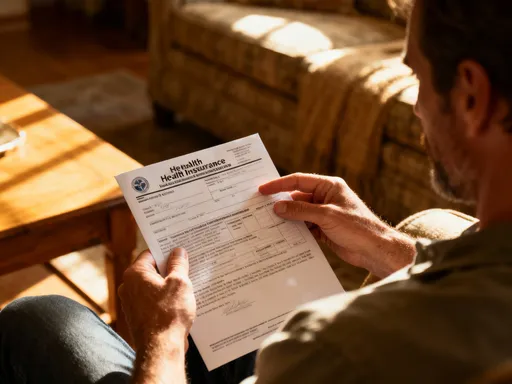
For many, the realization that heart health is at risk arrives quietly, disguised as everyday exhaustion or minor discomfort. It might start with feeling unusually tired after climbing a flight of stairs, or needing to pause mid-conversation to catch a breath. These signs are often dismissed as stress, aging, or lack of sleep. Yet, they can be early indicators of cardiovascular strain—subtle warnings the body sends before more serious events occur. Recognizing them is the first, crucial step toward change.
Common symptoms like persistent fatigue, mild chest tightness, or reduced stamina are frequently overlooked because they don’t scream crisis. They whisper. A woman in her early 50s might attribute shortness of breath to being “out of shape,” not considering that her heart may be working harder than it should. Men might brush off jaw discomfort or arm heaviness as muscle strain, unaware these can be atypical signs of heart distress. The danger lies in normalization—accepting these shifts as inevitable parts of life when they are, in fact, invitations to act.
Waiting for a definitive diagnosis or dramatic event—like a heart attack or emergency room visit—is one of the most dangerous choices people make. Cardiovascular conditions often progress silently. Plaque builds in arteries over years without symptoms. Blood pressure creeps upward unnoticed. By the time pain or collapse occurs, significant damage may already be present. Research consistently shows that early intervention dramatically improves outcomes. The body responds best to lifestyle changes when damage is still reversible. Delaying action reduces the window for non-invasive recovery and increases reliance on medications or procedures later.
That moment of recognition—when fatigue is no longer just fatigue—can become a turning point. It’s not about fear, but awareness. It’s understanding that the heart, like any organ, sends signals when it’s under pressure. Listening to those signals, even when they’re faint, is an act of self-respect. And from that awareness, real change begins—not with grand gestures, but with a decision to pay attention.
Understanding Your Heart Like a Muscle
The heart is unique, but it shares a fundamental trait with skeletal muscles: it strengthens with use and weakens with inactivity. Unlike other muscles, it never gets a full rest, beating continuously to sustain life. But just as lifting weights builds arm strength, consistent cardiovascular activity trains the heart to pump more efficiently. Over time, this means each beat delivers more blood with less effort, reducing strain on the entire system.
When people hear “cardiac rehabilitation,” they often think of monitored programs for those recovering from surgery or heart attacks. While formal rehab is vital in those cases, the principles apply to anyone rebuilding heart health. Cardiac rehab, at its core, is about structured, progressive improvement through movement, nutrition, and stress management. These elements aren’t exclusive to clinical settings—they can be adapted into daily life by anyone seeking stronger cardiovascular function.
One of the most important shifts in mindset is moving away from intensity and toward consistency. Many believe that only vigorous exercise counts—that unless you’re sweating heavily or reaching high heart rates, you’re not doing enough. But for heart recovery, especially in the beginning, moderate, regular effort is far more effective and sustainable. A 10-minute walk every day builds more resilience than an occasional 45-minute run followed by days of inactivity. The heart responds to repetition, not extremes.
Think of it like training for a marathon. No runner starts with 26 miles. They build mileage gradually, allowing the body to adapt. The same principle applies to heart conditioning. Each small effort contributes to improved circulation, lower resting heart rate, and better oxygen delivery. Over weeks and months, these changes reduce the workload on the heart, decrease inflammation, and improve overall energy. The goal isn’t to push the heart to its limit, but to help it function more efficiently at rest and during activity.
First Steps That Actually Stick
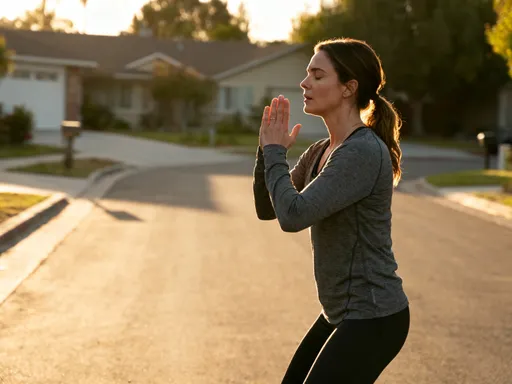
Starting a new health journey can feel overwhelming, especially when motivation is low and energy is limited. The key to long-term success isn’t willpower—it’s simplicity. One of the most effective first steps is just 10 minutes of daily walking. It requires no equipment, no special skills, and can be done almost anywhere. Yet, its impact on heart health is profound. Regular walking lowers resting heart rate, improves circulation, and helps regulate blood pressure over time.
Tracking progress doesn’t require smartwatches or fitness apps. For beginners, the most reliable feedback comes from the body itself. Noticeable changes—like breathing more easily during daily tasks, feeling less winded while carrying groceries, or waking up with more energy—are real indicators of improvement. These subtle shifts reflect internal changes: stronger heart contractions, better oxygen use, and improved vascular function. Celebrating these small victories builds confidence and reinforces commitment.
Habit stacking—linking a new behavior to an existing routine—increases the likelihood of consistency. For example, walking immediately after morning coffee or before checking the news creates a natural trigger. The established habit acts as a cue, making the new behavior easier to remember and perform. Over time, the two activities become mentally connected, reducing the need for conscious effort. This method works because it leverages existing neural pathways rather than relying solely on discipline.
Another powerful factor is environment. Keeping walking shoes by the door, choosing routes with pleasant scenery, or listening to a favorite podcast can make the experience more enjoyable. When movement feels less like a chore and more like a welcome pause in the day, adherence improves. The goal is not to achieve fitness milestones overnight, but to create a rhythm of daily movement that becomes as automatic as brushing teeth.
Food Shifts That Support Recovery
Nutrition plays a central role in heart recovery, but the focus should be on addition, not restriction. Instead of fixating on what to eliminate, shift attention to what to include: fiber-rich vegetables, whole grains, legumes, and plant-based proteins. These foods support healthy cholesterol levels, stabilize blood sugar, and reduce inflammation. A plate filled with colorful vegetables isn’t just visually appealing—it’s a shield for the cardiovascular system.
One of the most impactful changes is reducing processed sodium without sacrificing flavor. Packaged foods, canned soups, and restaurant meals are common sources of excess salt, which contributes to fluid retention and elevated blood pressure. The solution isn’t bland eating. Herbs like rosemary, thyme, and basil, along with citrus zest, garlic, and vinegar, add depth and brightness to meals. Replacing salty snacks with unsalted nuts, fresh fruit, or homemade trail mix makes a measurable difference over time.
Hydration is another essential but often overlooked aspect of heart health. Blood is mostly water, and proper fluid balance supports circulation and helps regulate blood pressure. Dehydration forces the heart to work harder to pump thicker blood. Drinking water throughout the day—especially in the morning and after physical activity—maintains optimal viscosity. Herbal teas, broths, and water-rich foods like cucumbers and melons also contribute to hydration.
Meal planning doesn’t have to be complex. Simple strategies like batch-cooking grains, roasting a tray of vegetables weekly, or keeping canned beans on hand make healthy choices easier during busy days. The goal is progress, not perfection. Even one extra serving of vegetables per day, consistently, leads to measurable improvements in heart function over months. Small shifts, repeated, create lasting change.
Sleep and Stress: The Hidden Rehab Tools
Sleep and stress management are often undervalued in heart recovery, yet they are powerful influencers of cardiovascular health. Poor sleep increases levels of cortisol and inflammatory markers, both of which strain the heart over time. Chronic sleep deprivation is linked to higher blood pressure, insulin resistance, and weight gain—all risk factors for heart disease. Just as the body repairs muscles during rest, the heart benefits from consistent, high-quality sleep.
Creating a wind-down routine can significantly improve sleep quality. Simple practices like dimming lights an hour before bed, avoiding screens, and engaging in quiet activities—reading, gentle stretching, or listening to calming music—signal to the body that it’s time to rest. A 5-minute breathing exercise, focusing on slow, deep inhales and exhales, activates the parasympathetic nervous system, promoting relaxation. Consistency matters more than duration—even going to bed and waking up at the same time every day strengthens the body’s internal clock.
Stress is an inevitable part of life, but how it’s managed determines its impact on the heart. Chronic stress keeps the body in a constant state of alert, raising heart rate and blood pressure. Micro-mindfulness—taking just 60 seconds to pause, breathe, and reset—can interrupt this cycle. Whether it’s stepping outside for fresh air, closing your eyes during a break, or sipping tea mindfully, these brief moments reduce cumulative stress load.
Over time, these small practices build resilience. They don’t eliminate life’s challenges, but they change the body’s response to them. A calmer nervous system means a quieter heart, less inflammation, and better overall function. These tools are free, accessible, and require no special training—just intention and repetition.
When Progress Feels Slow—And That’s Okay
Recovery is rarely linear. There will be days when energy dips, motivation fades, or old habits resurface. These moments are not failures—they are part of the process. The emotional journey of heart healing often includes frustration, doubt, and impatience. It’s normal to wonder if the effort is worth it, especially when changes aren’t visible on a scale or in a lab report.
That’s why it’s essential to recognize non-scale victories. These are the quiet wins: walking up a hill without stopping, sleeping through the night, feeling more focused at work, or simply enjoying a meal without bloating. These improvements reflect real physiological changes, even if they don’t come with numbers. They are evidence that the heart is adapting, the body is healing, and the system is regaining balance.
The “plateau effect” is common in heart recovery. After initial progress, changes may seem to stall. This doesn’t mean nothing is happening. The body often consolidates gains during these periods, reinforcing new patterns at a cellular level. Patience is not passive—it’s an active commitment to continue despite uncertainty. Trusting the process, even when results aren’t immediate, is a form of strength.
Setbacks are inevitable, but they don’t erase progress. Missing a walk, eating comfort food during stress, or skipping meditation doesn’t undo weeks of effort. What matters is returning to the routine without self-criticism. Self-compassion is a cornerstone of sustainable change. The goal isn’t perfection, but persistence. Each choice to begin again strengthens resilience.
Building a Life That Protects Your Heart
True recovery goes beyond temporary fixes—it’s about creating a lifestyle that naturally supports heart health. This means shifting identity from someone “fixing” their heart to someone who lives in a way that protects it. Habits become automatic, not because they’re enforced, but because they’re integrated into daily life. The environment plays a key role in this transformation.
Kitchen upgrades can make healthy eating easier. Stocking the pantry with whole grains, canned beans, frozen vegetables, and heart-healthy oils reduces reliance on processed foods. Replacing sugary drinks with infused water or herbal tea changes consumption patterns without deprivation. Small changes—like using smaller plates or placing fruit in visible bowls—nudge behavior in supportive directions.
Designing a walk-friendly environment increases movement naturally. Choosing a home with safe sidewalks, joining a community garden, or planning errands on foot turns activity into part of the day. Even indoor adjustments—like standing while talking on the phone or taking stretch breaks—add up. The goal is to make healthy choices the default, not the exception.
Creating stress-free zones at home—spaces dedicated to calm, free from screens and clutter—supports mental and cardiovascular well-being. A quiet corner with a comfortable chair, soft lighting, and a book can become a sanctuary. These spaces encourage pause, reflection, and restoration, which are just as vital as physical habits.
Finally, knowing when to consult a professional is a sign of wisdom, not weakness. Red flags like sudden shortness of breath, chest discomfort during activity, dizziness, or irregular heartbeat should never be ignored. Regular check-ups, blood pressure monitoring, and open communication with a healthcare provider ensure that progress is safe and supported. Medical guidance complements lifestyle changes—it doesn’t replace them, but enhances their effectiveness.
Recovery isn’t a sprint or a rigid program—it’s a daily choice to show up for your heart. Small, repeatable actions build resilience over time. This journey isn’t about fear; it’s about reclaiming energy, clarity, and confidence. Your heart can heal, adapt, and grow stronger. The comeback starts now.