Tired of Wasting Hours Searching for Health Advice? This Platform Gave Me My Time Back
Ever spent an entire evening scrolling through conflicting health tips, only to feel more confused? I’ve been there—juggling work, family, and self-care, with no time to decode medical jargon. Then I found a smarter way: a health consultation platform that cut through the noise. It didn’t just save me hours; it helped me learn faster, make better choices, and finally feel in control. This is how it transformed my daily routine.
The Daily Chaos of Self-Care in a Busy Life
Let’s be honest—most of us aren’t just busy. We’re stretched thin. Between school drop-offs, work deadlines, grocery runs, and the never-ending laundry pile, finding time for ourselves often feels impossible. And when a headache flares up during a Zoom meeting or your teenager wakes up with a sore throat on a Sunday morning, the last thing you need is to spend hours digging through unreliable websites. I used to do that—endless tabs, conflicting advice, scary symptom checkers that made me think the worst. Was it stress? A virus? Something serious? I’d go from WebMD to a random blog post to a Facebook group, only to come away more anxious than when I started.
That cycle took a real toll—not just on my time, but on my emotional well-being. I’d lie awake wondering if I was missing something, or if I was overreacting. As a mom, there’s this unspoken pressure to always know what to do, to be the calm one, the fixer. But how can you be calm when you’re drowning in noise? I started to feel guilty—like I wasn’t doing enough for my family because I wasn’t doing enough for myself. And honestly, that guilt only made everything worse. The truth is, we don’t need more information. We need better information—clear, trustworthy, and easy to access when life doesn’t slow down.
What I realized was that the problem wasn’t my health. It was the process. The way we’re expected to manage our well-being in the digital age—with fragmented advice, no continuity, and zero time—just doesn’t work. We’re not lazy. We’re overwhelmed. And we deserve a better system. That’s why finding a real solution felt less like a tech upgrade and more like a lifeline.
How Health Consultation Platforms Turn Hours into Minutes
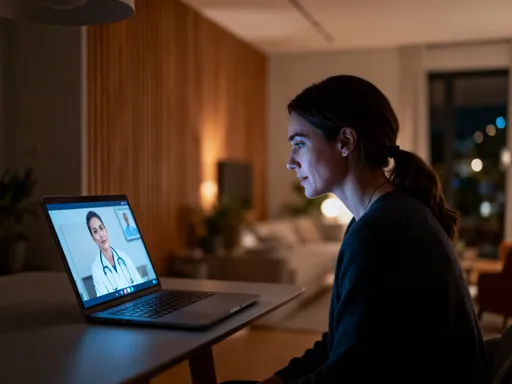
Then one day, a friend mentioned she’d used an online health consultation platform to get advice about a skin rash—no clinic visit, no waiting. Just a quick chat with a licensed doctor and a clear next step. I was skeptical at first. Could something that easy actually be reliable? But I was also tired—tired of guessing, tired of wasting time, tired of feeling helpless. So I gave it a try.
What happened surprised me. I typed in my symptoms—constant fatigue, trouble sleeping, that afternoon crash around 3 p.m.—and within 20 minutes, a healthcare provider responded. Not a robot. Not an algorithm. A real person. She asked thoughtful follow-up questions, reviewed my basic health history, and didn’t rush me. By the time I tucked my kids into bed, I had a personalized plan: simple blood work to check for deficiencies, a few dietary tweaks, and a gentle movement routine to support my energy. No jargon. No pressure. Just clarity.
That moment changed everything. I didn’t have to wait two weeks for an appointment. I didn’t have to take time off work. I didn’t have to sit in a cold exam room feeling like I only had five minutes to explain everything. Instead, I got care on my terms—when and where it fit my life. For busy women, especially those managing households or working remotely, this kind of access is revolutionary. It’s not about replacing doctors. It’s about making expert care more accessible, especially when time is your most precious resource.
And the best part? It became a habit. Instead of letting small concerns build into big worries, I started reaching out early. A nagging backache? A strange headache? A question about a supplement? I’d send a quick message during my lunch break. No drama. No stress. Just answers.
Learning Faster by Cutting Through the Noise
One of the most unexpected benefits wasn’t just convenience—it was how much I started to learn about my own body. Before, I’d read health articles passively, skimming tips that didn’t always apply to me. But with direct access to professionals, I could ask the questions I was actually wondering about. Things like, “Why do I feel so drained after eating carbs?” or “Is it normal to feel this tired in my 40s?” or “Could my mood swings be linked to my hormones?”
Each conversation became a mini-lesson. Instead of guessing based on someone else’s story, I got personalized insights. Over time, I started to see patterns. I learned that my afternoon crash wasn’t just laziness—it was often tied to low iron and poor blood sugar balance. I discovered that my sleep issues weren’t just stress; they were also influenced by screen time and hydration. And most importantly, I began to trust my own instincts more because I had real information to back them up.
It felt like having a health-savvy friend who actually knew what they were talking about—and who remembered my history. I didn’t have to repeat myself every time. The platform kept track of our conversations, so each new chat built on the last. That continuity made a huge difference. It wasn’t just about fixing one problem. It was about building understanding over time. And that’s how real confidence grows—not from random tips, but from consistent, reliable knowledge.
Now, when I read a health headline or hear a new trend, I don’t panic or jump on the bandwagon. I pause. I reflect. I ask myself, “Does this fit my body? My life? My needs?” And if I’m unsure, I know I can get a second opinion—fast. That ability to pause and seek clarity has made me a smarter, calmer decision-maker.
Building a Personal Health Library You Can Trust
Here’s something I didn’t expect: my chat history became one of my most valuable health tools. Every consultation, every piece of advice, every follow-up question—it’s all saved in one place. No more digging through old emails or trying to remember what the doctor said six months ago. No more showing up to appointments with a crumpled list of symptoms I wrote at 2 a.m.
Last year, when I started having recurring fatigue around my menstrual cycle, I went back and reviewed my past messages. I noticed a pattern—low energy, brain fog, and irritability—always around the same phase. I compiled those chats, shared them with my in-person physician, and together we adjusted my care plan. She appreciated having that context. It saved time. It improved accuracy. And it made me feel like a true partner in my own care.
This isn’t just about convenience. It’s about empowerment. When you have a clear record of your health journey, you stop feeling like a stranger to your own body. You start seeing connections. You notice what helps and what doesn’t. You become your own best advocate. And when you walk into a doctor’s office with real data—not just a vague feeling—you’re taken more seriously. That shift—from passive patient to informed participant—has been one of the most meaningful changes in my life.
I’ve also used this record to help my mom manage her blood pressure. She’s in her 70s and doesn’t love technology, but I showed her how to save her consultation notes. Now, when she has a question or needs to refill a prescription, she can review what the doctor said before. It’s reduced her anxiety and made her feel more in control. And for me, it’s a relief to know she’s not guessing or relying on sketchy online advice.
Fitting Self-Care into 10 Minutes a Day
One of the biggest myths about self-care is that it takes a lot of time. We imagine hour-long yoga sessions, elaborate meal preps, or spa days. But for most of us, that’s just not realistic. The real secret? Self-care happens in small moments. And with quick access to expert advice, those moments become powerful.
I started using tiny pockets of time I used to waste—five minutes while waiting for the coffee to brew, ten minutes during my lunch break, a few quiet moments after the kids went to bed. Instead of scrolling through social media or doomscrolling health forums, I’d send a quick message about a lingering concern. A question about a new symptom. A request to review a lab result. A check-in about how I was feeling.
These micro-consultations added up. I stopped saving my health questions for “someday” or for the next annual checkup. I addressed them as they came. That shift—from delay to action—changed everything. I wasn’t waiting for a crisis to get help. I was staying ahead of small issues before they became big ones. And because I was learning as I went, each small step built long-term resilience.
Now, checking in on my health feels as natural as brushing my teeth. It’s not a chore. It’s a habit. And the more I do it, the more in tune I feel with my body. I’m not perfect. Some days I skip my water intake. Some weeks I’m too busy to move as much as I’d like. But I don’t beat myself up. I just check in, ask for guidance, and adjust. That’s real self-care—not perfection, but consistency.
Sharing Clarity with Family, Not Just Symptoms
One of the most beautiful side effects of using this platform has been how it’s improved my relationships—especially with my family. Before, when someone was sick, I’d jump into panic mode. My son had a fever? I’d spend hours Googling. My husband had a weird rash? I’d send him five different articles and say, “Maybe this?” It wasn’t helpful. It was chaotic.
Now, when someone in my household has a health concern, I don’t rush to search. I suggest we get a professional opinion—quickly and calmly. When my dad had questions about his new blood pressure medication, I helped him schedule a virtual consult. We sat together, reviewed the doctor’s explanation, and wrote down the key points. No more confusion. No more fear. Just clear, reliable information.
Those moments became bonding experiences. We weren’t just sharing meals or chores. We were sharing understanding. My teenage daughter even started using the platform for her own questions—about sleep, stress, and nutrition. She said it felt less intimidating than talking to a doctor in person. And I loved that she had a safe, private way to get answers without judgment.
This shift didn’t just reduce anxiety. It built trust. We stopped guessing. We stopped worrying. We started acting—with confidence. And that calm, informed approach has made our home feel more peaceful. Health isn’t just individual. It’s shared. And when we care for ourselves well, we care for our families better.
A Smarter, Calmer Way to Live—One Conversation at a Time
Looking back, the biggest change isn’t just that I saved time or got better answers. It’s that I feel lighter. Lighter in my mind. Lighter in my body. Lighter in my daily rhythm. Knowing I have a reliable way to get support when I need it—without hassle, without waiting, without fear—has lifted a weight I didn’t even realize I was carrying.
I’m not saying I never feel overwhelmed. Life is still busy. Kids still get sick. Work still piles up. But I’m no longer navigating it all in the dark. I’m more in tune with my body. More confident in my choices. More present with my family. I don’t have to choose between being a good mom, a good partner, and taking care of myself. I can be all of those things—because I’ve stopped wasting time on confusion and started investing in clarity.
Technology didn’t replace human care. It made it more accessible. More personal. More human. And that’s the real win—not just efficiency, but ease. Not just answers, but peace. If you’re tired of spending your evenings lost in health searches, wondering what’s true and what’s not, I want you to know there’s another way. One conversation can change how you feel. One question can lead to real understanding. And one small step can lead to a calmer, smarter, more confident you.