You Won’t Believe This Secret View of Dar es Salaam
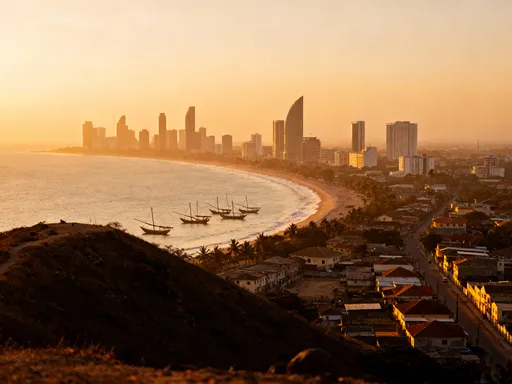
I never expected Dar es Salaam to surprise me like this. Beyond the bustling streets and ferry docks, I stumbled upon a quiet hilltop where the city unfolds like a living painting. As the sun dipped low, the ocean shimmered beside silhouetted skyscrapers and wooden fishing boats. This wasn’t on any tourist map—just a local’s whisper and my curiosity. If you think you’ve seen coastal Africa, wait until you witness Dar es Salaam from this angle.
The City Most Travelers Miss
Dar es Salaam is often dismissed as a transit city—a place to pass through on the way to Tanzania’s more celebrated destinations like Zanzibar, Serengeti, or Mount Kilimanjaro. Travelers arrive at the airport or port, collect their luggage, and move on without pausing to explore the city itself. Its reputation as a commercial and logistical hub overshadows its quieter, more poetic dimensions. Yet, beneath the surface of traffic-choked avenues and busy markets lies a city rich with rhythm, contrast, and unexpected beauty.
Most visitors overlook Dar es Salaam’s scenic potential because it does not present itself in the way classic tourist destinations do. There are no ancient ruins, no sweeping savannahs, and no internationally branded resorts lining the shore. What it offers instead is a different kind of authenticity—a coastal metropolis where tradition and modernity coexist in a delicate dance. The city’s charm is not in monuments but in moments: the call to prayer echoing over the water, the silhouette of a dhow against a fiery sky, the laughter of children playing near the shore.
The shift in traveler mindset is beginning to change how Dar es Salaam is perceived. More experiential travelers are moving away from checklist tourism—collecting stamps in passports—and embracing slow travel, where observation and connection matter more than photo ops. These travelers understand that some of the most powerful experiences come not from curated attractions but from stumbling upon a place that feels real, unpolished, and deeply alive. In this new narrative, Dar es Salaam is no longer just a stopover; it is a story waiting to be seen.
Chasing Light: Why Viewing Moments Matter
There is something almost sacred about witnessing a city at golden hour—the fleeting window when the sun hovers near the horizon, casting a warm, golden glow across buildings, water, and streets. In that light, even the most ordinary scenes transform into visual poetry. Cracks in the pavement shimmer, laundry lines become golden threads, and the sea turns molten. It is in these moments that travel transcends movement and becomes meaning.
Light has the power to redefine a place. A city that feels chaotic and noisy in midday sun can feel serene and intimate in the soft glow of evening. This transformation is not just visual—it is emotional. Travelers who pause to witness it often describe a deep sense of calm, clarity, and connection. They are no longer just passing through; they are present. This is the essence of experiential travel: not just seeing, but feeling.
A growing trend among thoughtful travelers is what some call “view hunting”—the intentional pursuit of vantage points that offer not just scenery, but perspective. Unlike crowded tourist lookouts, these spots are often quiet, unmarked, and discovered through local insight or patient exploration. They require effort, timing, and respect. But the reward is a moment of stillness in a world that rarely allows it.
Stillness and observation go hand in hand. When travelers slow down and truly look, they begin to notice patterns: the way fishermen mend their nets at dusk, how families gather on rooftops to catch the breeze, or how the city’s skyline reflects in puddles after a brief rain. These are not experiences you can buy or book. They are gifts of attention, available to anyone willing to pause and see.
Finding the Hidden Vantage Point
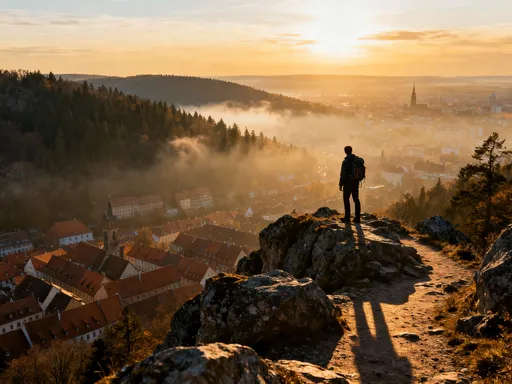
Nestled along the eastern edge of Dar es Salaam, away from the main tourist zones and commercial districts, lies a quiet residential area that few visitors ever explore. Here, on a gently rising hill not far from the shoreline, there is a spot—unmarked, unnamed, and known only to a handful of long-term residents and observant expatriates—where the city reveals itself in a way few expect. There are no signs, no ticket booths, no vendors selling snacks or souvenirs. Just a narrow footpath that winds through greenery and opens onto a breathtaking panorama.
Reaching this vantage point requires a bit of effort and a respectful approach. The easiest way to get there is by foot or bicycle from nearby neighborhoods like Oyster Bay or Mikocheni, following local roads that gradually climb in elevation. Alternatively, a short drive with a trusted local driver can bring you close, but the final stretch is best done on foot. Asking for directions requires patience and courtesy—most locals are happy to help if approached with kindness and a few words of Swahili.
The path itself is modest: a dirt trail flanked by tall grasses, flowering shrubs, and the occasional mango tree. It is not maintained for tourists, which is part of what keeps it peaceful. There are no railings, benches, or lighting—just nature and an unobstructed view. Travelers are encouraged to walk gently, speak softly, and leave no trace. This is not a public park; it is a quiet corner of the city that locals cherish, and its preservation depends on mutual respect.
Respectful access is essential. This means avoiding loud conversations, refraining from littering, and never trespassing on private property. Some homes are nearby, and residents value their privacy. The beauty of this place lies in its authenticity—its lack of commercialization, its stillness, its sense of discovery. By honoring the space and the people who live near it, visitors help ensure that it remains untouched by over-tourism.
The Panorama Unfolds: A Scene Like No Other
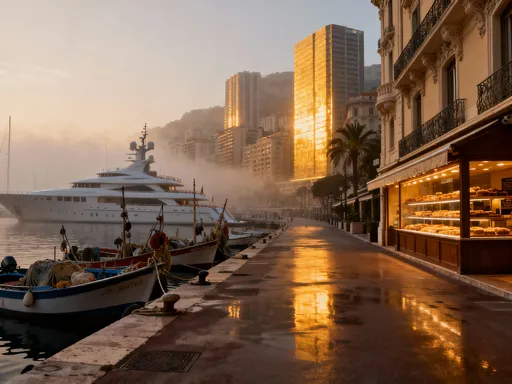
When you reach the top, the view unfolds in layers. To the east, the Indian Ocean stretches toward the horizon, its surface shifting from deep blue to shimmering gold as the sun descends. Closer in, traditional wooden dhows glide across the water, their lateen sails catching the breeze—a centuries-old sight that continues to this day. Just beyond them, modern apartment buildings rise along the coast, their glass facades reflecting the sky in hues of amber and rose.
The contrast is striking but harmonious. Fishing boats return from their daily catch while families dine on balconies above. Children play in open fields as call to prayer echoes from a nearby mosque, blending with the distant hum of city life. The air carries the scent of salt, grilled fish, and blooming frangipani. It is a sensory tapestry—complex, layered, and deeply alive.
What makes this panorama unforgettable is not just what you see, but how it changes. In the early afternoon, the light is sharp and clear, revealing every detail of the coastline. By late afternoon, shadows lengthen, and the city begins to soften. At sunset, the entire scene glows, as if lit from within. On clear evenings, the first stars appear above the water, and the city’s lights begin to twinkle like scattered diamonds.
Seasons also shape the experience. During the dry season, the skies are crisp, and visibility is excellent. In the rainy months, clouds roll in dramatically, creating moody, cinematic skies. A brief downpour can wash the air clean, leaving the world feeling fresh and vibrant. Each visit offers something different—no two views are exactly alike. This is not a static postcard but a living, breathing moment in the life of a city.
Why This Spot Stays Secret
One might wonder why such a stunning viewpoint isn’t better known or more widely promoted. The answer lies in a combination of practical and cultural factors. There is no formal infrastructure—no parking, no pathways, no safety barriers. This lack of development makes it difficult to include in organized tours, which often prioritize accessibility and convenience. Without official signage or entry fees, there is little incentive for commercial operators to highlight it.
Guidebooks and travel websites tend to focus on established attractions: museums, beaches, historical sites. This hilltop view does not fit the traditional mold. It has no name, no history written in textbooks, no entry in official tourism brochures. It exists outside the system—discovered not through research, but through conversation, curiosity, and chance.
Locals, too, play a role in keeping the spot quiet. While many are welcoming and proud to share their city’s beauty, there is also a cautiousness born of experience. Over-tourism has changed other places—once peaceful neighborhoods turned noisy, clean beaches littered, quiet streets crowded. Residents value their way of life and are protective of spaces that remain untouched. They are often willing to share, but only with those who show respect and humility.
This creates a delicate balance between discovery and preservation. The more people know about the view, the greater the risk of it being loved too much. Yet, keeping it entirely hidden means fewer travelers experience the soul of Dar es Salaam. The solution lies in responsible tourism—visitors who come not to conquer or consume, but to observe, appreciate, and leave no mark. In this way, beauty can be shared without being lost.
Smart Tips for the Thoughtful Traveler
To fully enjoy this hidden vantage point, timing and preparation matter. The best time to visit is late afternoon, arriving about an hour before sunset. This allows you to experience the changing light and avoid the midday heat, which can be intense, especially during the warmer months. Mornings can be beautiful too, with soft light and fewer people, but the golden hour remains the most magical.
What you bring can make a big difference. Pack a bottle of water, a light snack, and wear comfortable shoes suitable for walking on uneven terrain. Dress modestly out of respect for local customs—light, breathable clothing that covers shoulders and knees is ideal. A small camera or smartphone with a good zoom lens can help capture the scene without intruding. Avoid large bags or equipment that might draw unnecessary attention.
Asking for directions should be done with courtesy and a friendly demeanor. Learning a few basic Swahili phrases goes a long way: jambo (hello), asante (thank you), ninapenda kupitia hapa? (can I pass through here?), and naomba usafiri wa kumbukumbu? (excuse me, where is the viewpoint?). Most people appreciate the effort, even if your pronunciation isn’t perfect. A smile and respectful tone open more doors than fluent language.
Safety is important. Stick to well-traveled paths and avoid wandering into isolated areas, especially after dark. While Dar es Salaam is generally welcoming, it’s wise to travel with awareness. If you’re unfamiliar with the city, consider going with a local contact or a trusted guide. Never assume a path is safe just because it looks quiet. Use common sense, stay alert, and prioritize respect over exploration.
Redefining Dar es Salaam’s Travel Identity
Dar es Salaam deserves to be seen not as a mere gateway, but as a destination in its own right—a city of contrasts, rhythms, and quiet revelations. It challenges the idea that travel must always mean visiting famous sites or checking off landmarks. Sometimes, the most profound experiences come from simply standing in the right place at the right time, watching the world breathe.
This hidden viewpoint is more than a scenic overlook; it is a symbol of a different way to travel. It invites visitors to slow down, to look deeper, to listen. It reminds us that beauty is not always advertised, and meaning is not always found in guidebooks. The most memorable moments often come from the unplanned, the unscripted, the unshared—until someone decides to pass on the secret with care.
Traveling with open eyes and a ready heart means being willing to see cities like Dar es Salaam on their own terms. It means valuing moments over souvenirs, connection over convenience, and perspective over perfection. When we shift our expectations, we begin to see not just the place, but the people, the light, the life that pulses beneath the surface.
So the next time you find yourself in Dar es Salaam, don’t rush to the next destination. Pause. Ask a local. Climb a quiet hill. Let the city reveal itself in its own time. Because sometimes, the view that changes everything is the one no one told you about.