You Won’t Believe What Hidden Gems Parisian Locals Secretly Love
Paris isn’t just about the Eiffel Tower or fancy macarons. I dove into the city’s soul by exploring its specialty products—handcrafted soaps, small-batch perfumes, and artisanal cheeses tucked in neighborhood markets. This isn’t tourist Paris; it’s the real, textured version locals cherish. If you're craving authenticity over postcards, this journey through intimate workshops and hidden ateliers will change how you see the City of Light forever.
Beyond Postcards: Discovering Paris Through Its Specialty Products
When most travelers think of Paris, images of grand boulevards, iconic monuments, and glossy patisseries come to mind. Yet beneath this polished surface lies a quieter, more intimate world—one shaped by generations of skilled artisans and local producers. Specialty products in Paris are not mass-produced souvenirs wrapped in glittery packaging. Instead, they are handcrafted goods rooted in tradition, made with care, and often passed down through families. These include small-batch olive oils from Provence sold in family-run boutiques, hand-poured candles made with beeswax from regional hives, and linen kitchen towels stitched by local seamstresses using age-old techniques.
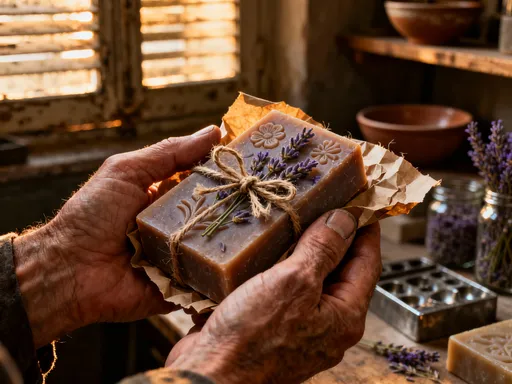
Unlike the plastic Eiffel Tower keychains or machine-made berets found near major attractions, these specialty items reflect the true character of Parisian life. They are born from a culture that values quality over quantity, craftsmanship over convenience. A bar of soap made with lavender from Haute-Provence and wrapped in handmade paper tells a story—of soil, season, and the hands that nurtured it. Such products invite travelers not just to observe, but to participate in a living tradition. They transform a simple purchase into a moment of connection, a sensory bridge between visitor and resident.
Seeking out these authentic goods does more than fill a suitcase—it transforms the travel experience itself. Rather than following a checklist of famous sights, travelers begin to wander with curiosity, drawn by the scent of freshly baked rye bread or the sight of a tiny shop where a third-generation leatherworker shapes wallets by hand. This shift from sightseeing to savoring allows for deeper immersion. It fosters a rhythm of discovery that mirrors how Parisians themselves live: slowly, thoughtfully, and with appreciation for the small details that make daily life beautiful.
The Heartbeat of Neighborhood Markets: Where Authenticity Lives
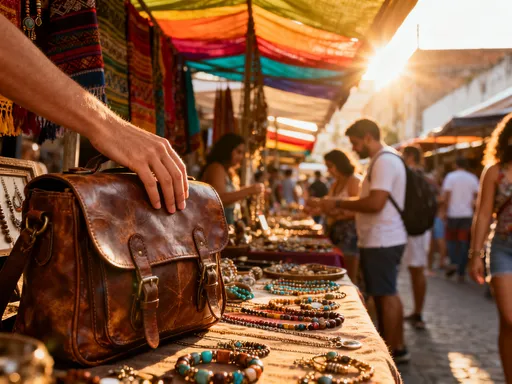
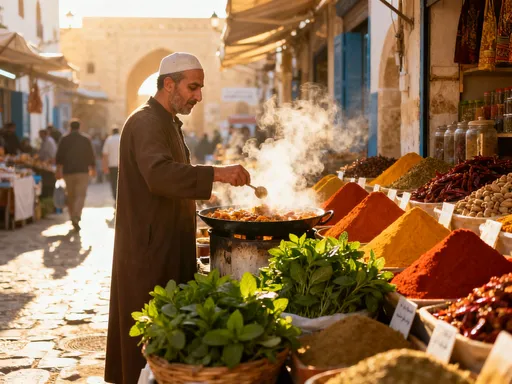
One of the most vivid ways to encounter this authentic Paris is through its neighborhood markets. These are not staged performances for tourists but vibrant, working spaces where locals shop, chat, and start their days. Places like Marché d'Aligre in the 12th arrondissement or Marché des Enfants Rouges in the Marais open early each morning, filling with the sounds of chopping knives, rolling carts, and friendly banter between vendors and regulars. The air hums with the scent of ripe figs, smoked duck, and warm baguettes pulled fresh from nearby ovens. Here, authenticity isn’t curated—it’s lived.
These markets are treasure troves of regional specialties, each item carrying the mark of its origin. A wheel of crottin de Chavignol, a tangy goat cheese from the Loire Valley, rests beside jars of wildflower honey harvested from the hills of Ardèche. Cured sausages from the Pyrenees, rich pâtés from Alsace, and salted butter from Brittany appear alongside seasonal fruits and vegetables grown in nearby farms. These products are not chosen for their visual appeal alone but for their flavor, texture, and connection to place. Vendors often know the farmers personally, sometimes visiting the fields themselves to ensure quality. This web of trust and tradition is what gives the market its soul.
For the visiting traveler, spending time in these markets offers more than just a chance to taste exceptional food—it provides a window into the rhythm of Parisian life. Watching a grandmother haggle gently over the price of artichokes, or seeing a young couple debate which olives to buy for their evening apéritif, reveals the city’s heartbeat. It’s in these unscripted moments that visitors begin to feel less like outsiders and more like temporary members of the community. The sensory immersion—crisp lettuce leaves glistening with water, the tang of aged cheese cutting through the morning air, the warmth of a paper cone filled with roasted chestnuts—anchors memories far more deeply than any photograph could.
Artisan Workshops Off the Beaten Path: From Perfume to Paper
While markets offer a feast for the senses, Paris’s artisan workshops provide a different kind of intimacy—one rooted in craft, patience, and quiet mastery. Tucked away in narrow alleys of neighborhoods like Le Marais, Saint-Germain-des-Prés, or the Canal Saint-Martin, these small studios are where tradition meets innovation. Here, perfumers blend essential oils by hand, stationers craft notebooks from recycled cotton paper, and bookbinders restore centuries-old volumes with meticulous care. These are not factory outlets or retail chains, but living workshops where the act of creation unfolds in real time.
Take, for example, the art of bespoke perfumery. In a quiet atelier near Place des Vosges, a perfumer might guide a visitor through the process of creating a personal scent, layering notes of bergamot, violet, and sandalwood in a way that reflects memory and mood. These fragrances are not mass-marketed; they are born from intuition, knowledge, and a deep understanding of raw materials. Similarly, in a paper-making studio near the Seine, artisans might demonstrate how pulp is pressed, dried, and textured to create sheets with unique character—each one slightly different, like a fingerprint. These experiences are not about consumption but about participation.
Districts like Le Marais have long been centers of craftsmanship, where cobblestone streets hide centuries-old trades. While some shops cater to tourists, others remain deeply rooted in local life, serving clients who value durability, beauty, and heritage. A leatherworker might spend weeks perfecting a single handbag, using techniques unchanged since the 19th century. A glassblower might shape delicate perfume bottles with a breath and a twist, each piece a testament to precision and patience. Visiting these spaces allows travelers to witness the slow, deliberate rhythm of making—something increasingly rare in a world of instant gratification.
Unlike standing in line to climb the Eiffel Tower or rushing through a museum gallery, spending time in an artisan workshop invites presence. It asks the visitor to slow down, observe, and appreciate the details—the curve of a knife used to trim leather, the way light catches the edge of a freshly cut page. These moments of quiet engagement often become the most cherished parts of a trip, not because they are dramatic, but because they feel real. They offer a rare glimpse into a way of life that values time, care, and continuity.
The Craft of French Food: Cheese, Wine, and the Art of Terroir
No exploration of Parisian specialty products would be complete without delving into the concept of terroir—the idea that a food’s flavor is shaped by the soil, climate, and traditions of its region. This principle is especially powerful in French cheese and wine, where even a small geographic shift can produce dramatically different tastes. A Camembert from Normandy carries a creaminess born of lush pastures and humid air, while a Roquefort from the south has a bold, tangy bite forged in limestone caves. Understanding terroir transforms eating from a simple act into a lesson in geography, history, and ecology.
In Paris, this connection to place is celebrated in specialty shops known as fromageries and wine cellars. Some fromageries are family-run businesses that source directly from small dairies, aging cheeses in carefully controlled cellars to develop complex flavors. An affineur—the expert who ages cheese—might rotate wheels daily, wash rinds with brine or wine, and monitor humidity levels with the precision of a scientist. The result is a product that tells a story not just of milk and microbes, but of landscape and labor. Tasting a Saint-Nectaire aged for 70 days or a Tomme de Savoie with a nutty finish becomes an act of cultural appreciation.
Similarly, independent wine shops in Paris often specialize in natural or organic wines from small producers. These bottles may not appear on supermarket shelves, but they represent a growing movement toward sustainable viticulture and minimal intervention. A sommelier might recommend a light red from the Loire made with Gamay grapes, explaining how the flinty soil imparts a subtle mineral note. Or they might pour a sparkling Clairette de Die from the Rhône Valley, its effervescence echoing the mountain springs where the vines grow. These tastings are not about luxury—they are about discovery, education, and respect for the craft behind every bottle.
For the traveler, engaging with terroir means moving beyond labels and ratings to understand food as a reflection of place. It invites questions: Why does this butter taste richer? Because it comes from Charentes-Poitou, where cows graze on salt marsh grasses. Why does this honey have a floral bitterness? Because it’s made from chestnut blossoms in the Ardèche forests. These insights deepen the travel experience, turning meals into moments of learning and connection. They also support small-scale producers who maintain biodiversity and traditional farming methods in the face of industrial agriculture.
Why These Experiences Elevate Your Travel
At their core, these encounters with specialty products are not about shopping—they are about human connection. When a traveler buys a jar of honey from a market vendor who explains how her brother harvests it from hives in the countryside, a relationship forms. When a perfumer shares the story behind a fragrance inspired by her grandmother’s garden, a memory is shared. These moments of exchange go beyond transaction; they create bridges between cultures, generations, and ways of life. They remind us that travel is not just about seeing new places, but about meeting people and understanding their values.
Moreover, choosing to support artisans and small producers has a tangible impact. Every purchase helps sustain local economies, preserves endangered crafts, and encourages sustainable practices. A hand-bound notebook from a Parisian bookbinder, a piece of hand-thrown pottery from a rural cooperative, or a bottle of olive oil from a family grove—all contribute to a system that values people over profit. In contrast to the fleeting nature of mass tourism, where money flows to large corporations and chains, these choices keep wealth within communities, allowing traditions to endure.
Perhaps most importantly, these experiences create lasting memories. While photos fade and souvenirs gather dust, the sensory imprint of tasting a cheese described as “the taste of my childhood” by its maker lingers. The scent of a custom perfume worn long after a trip ends can instantly transport someone back to a quiet afternoon in a sunlit atelier. These are not just mementos—they are emotional anchors, tied to moments of presence, curiosity, and connection. They reflect a travel philosophy rooted not in accumulation, but in meaning.
How to Find the Real Deal: Practical Tips for Travelers
For those eager to experience this authentic side of Paris, intentionality is key. The first step is shifting focus from high-traffic zones to residential neighborhoods where daily life unfolds. Areas like the 11th, 13th, or 20th arrondissements may lack the glamour of the Champs-Élysées, but they are rich with local markets, independent bakeries, and family-run boutiques. Visiting early in the morning—between 8 and 10 a.m.—increases the chances of encountering vendors at their busiest and most authentic, before tourist crowds arrive.
Another effective strategy is to talk to shop owners. A simple “Bonjour, d’où vient ce fromage?” (“Hello, where does this cheese come from?”) can open a conversation that leads to unexpected discoveries. Many artisans are proud of their work and happy to share its story. Local food guides, neighborhood walking tours led by residents, or curated cultural itineraries offered by small travel companies can also help travelers navigate beyond the obvious. These resources often highlight lesser-known spots and provide context that enriches the experience.
It’s also important to be cautious of counterfeit claims. In heavily touristed areas, some shops use terms like “artisanal” or “handmade” as marketing tactics, even when products are imported or mass-produced. A genuine artisanal item often comes with details: the name of the producer, the region of origin, or a description of the process. If a lavender soap is labeled “made in France” but lacks specifics, it may not be as authentic as one sold in a small atelier with a visible workshop in the back. Trusting one’s senses—smelling the difference between real essential oil and synthetic fragrance, feeling the texture of hand-stitched fabric—can also guide better choices.
Bringing Paris Home: Meaningful Souvenirs That Last
When the journey ends and suitcases are repacked, the true value of these experiences becomes clear. Rather than returning with generic trinkets, travelers can bring back items that carry meaning—a bar of olive oil soap from Provence sold in a tiny shop near Place des Fêtes, a notebook bound in linen cloth by a Parisian craftsperson, or a small bottle of perfume blended just for them. These are not souvenirs in the traditional sense; they are keepsakes with stories, each one a thread connecting the traveler to a moment of real connection.
Choosing such items shifts the focus from consumption to curation. Instead of filling drawers with forgotten mementos, one might keep a single jar of honey on the kitchen shelf, using it sparingly, savoring not just the flavor but the memory of the vendor who called it “liquid gold.” A hand-carved wooden spoon from a craft fair in Montmartre might be used daily, its smooth handle worn by use, its presence a quiet reminder of a rainy afternoon spent wandering cobblestone streets.
These objects do more than decorate a home—they keep the spirit of travel alive. They invite conversation, spark nostalgia, and reinforce the values discovered abroad: slowness, care, authenticity. Over time, they become part of daily rituals, blending the foreign with the familiar. In this way, the journey never truly ends. It continues in the way one drinks tea from a hand-thrown cup, or lights a beeswax candle made in a Paris workshop, the flame flickering like a memory.
Immersion isn’t found in queues or guidebooks—it’s in the quiet moments: tasting a cheese the vendor calls “her pride,” or watching a perfumer blend notes passed down through generations. Paris reveals itself not through monuments, but through its specialty products—each one a thread in the city’s living fabric. Choose curiosity. Seek the handmade. Let your journey be shaped not by checklists, but by connection.