You Won’t Believe What’s Hiding in Guam’s Capital – Art That Speaks
When I stepped into Agana, Guam, I expected palm trees and beaches—but not a thriving underground art scene. What I found was unexpected: murals whispering stories of Chamorro heritage, galleries breathing life into colonial walls, and creatives turning urban corners into emotional canvases. This isn’t just a stopover island; it’s a cultural heartbeat. If you think Pacific art is all tiki masks and souvenirs, think again. Agana’s art spaces are raw, real, and ready to be discovered.
The Unexpected Pulse of Agana: Rethinking Guam’s Cultural Identity
Agana, often spelled Hagåtña in the Chamorro language, is more than the political and administrative heart of Guam—it is a living archive of resilience, memory, and artistic reawakening. While many tourists pass through on their way to the white sands of Tumon Bay, few pause long enough to sense the quiet rhythm beneath the city’s modest façade. Here, history is not confined to textbooks. It echoes in the architecture, pulses in the murals, and breathes through the voices of artists reclaiming their cultural narrative. Agana stands at the crossroads of centuries—indigenous, colonial, and contemporary—where each layer has left an imprint not only on the land but on the creative spirit of its people.
The Chamorro people, Guam’s original inhabitants, have maintained their identity through oral traditions, craftsmanship, and communal practices, despite waves of colonization. Spanish rule introduced Catholicism and new architectural forms, while American influence after World War II brought modernization, military presence, and cultural shifts. Yet, rather than erasing the past, these influences have become part of a complex mosaic that artists today are actively interpreting. In Agana, art is not a luxury or decoration; it is a form of resistance, preservation, and healing. It allows the community to honor ancestors, confront historical silences, and imagine a future rooted in cultural pride.
What makes Agana unique in the Pacific context is its role as a cultural incubator despite its size. With a population of just over 1,000 residents, the city punches far above its weight in artistic output. This is not accidental. Local leaders, educators, and artists have worked deliberately to revitalize the downtown core not through commercial redevelopment, but through culture-led regeneration. Murals, performances, and public installations are transforming vacant lots and weathered buildings into spaces of meaning and dialogue. This movement reflects a broader trend across the Pacific, where small island communities are using art to assert their presence in a globalized world that often overlooks them.
For the thoughtful traveler, Agana offers a rare opportunity: to witness culture not as performance for tourists, but as lived experience. There are no staged reenactments or commodified traditions here. Instead, visitors encounter art that emerges organically from daily life—on walls, in markets, during festivals. This authenticity is what makes Agana’s creative pulse so compelling. It invites a deeper kind of engagement, one that requires listening, observing, and respecting the context in which the art exists. In doing so, travelers move beyond sightseeing and enter into a shared human story.
Murals That Speak: Street Art as Cultural Narrative
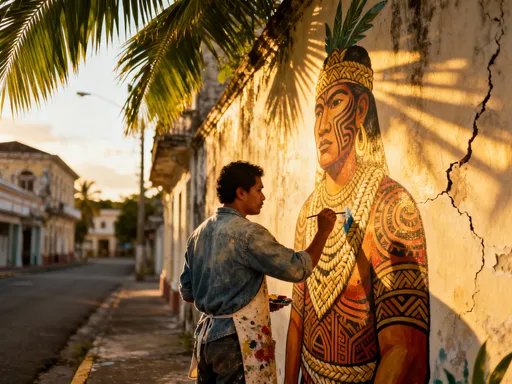
Walking through downtown Agana is like flipping through the pages of a living history book painted in bold hues and symbolic imagery. The city’s walls are not silent; they speak in colors, shapes, and stories that reflect the soul of the Chamorro people. Unlike graffiti driven by rebellion or anonymity, Agana’s murals are acts of remembrance and reclamation. They depict ancestral voyagers navigating by stars, women weaving lauhala mats with sacred precision, and native plants like the ifil tree rising defiantly from cracked concrete. Each mural is a deliberate statement—a visual poem about identity, survival, and pride.
One of the most powerful clusters of murals surrounds the Plaza de España, a historic site that once served as the center of Spanish colonial government. Today, the surrounding buildings host large-scale artworks that reinterpret this colonial past through a Chamorro lens. A mural on the side of the Guam Congress Building shows a pre-contact Chamorro village juxtaposed with modern island life, connected by a flowing river symbolizing continuity. Another, near the old Governor’s Palace ruins, portrays a warrior woman holding a slingstone, her gaze steady and unyielding—a tribute to the strength of Chamorro women throughout history. These images do not erase the past; they reframe it, placing indigenous perspectives at the center.
Artists behind these works often collaborate with historians, elders, and community groups to ensure cultural accuracy and respect. Many are Chamorro themselves, drawing from family stories, chants, and traditional designs. Motifs such as the latte stone, the flying proa, and the mata’ole (chief’s headdress) appear frequently, not as exotic symbols, but as meaningful references to heritage. Some murals incorporate the Chamorro language, weaving phrases like Fanohge (Let’s move forward) or Si Yu’us Ma’ase (Thank you) into the composition. This linguistic presence reinforces the idea that language and art are inseparable in cultural preservation.
For visitors, exploring these murals is both an aesthetic and educational journey. The best time to walk the downtown corridor is in the early morning or late afternoon, when the tropical sun is less intense and natural light enhances the colors. A recommended route begins at the Plaza de España, moves down South Chalan Santo Papa, and loops around to the Adelup Complex, where several newer installations have emerged. Comfortable walking shoes, a water bottle, and a camera are essential. However, photography should always be done with mindfulness—avoiding intrusion into private spaces or disrupting residents. Many of these murals are located in residential or mixed-use areas, and the community values respect over spectacle.
Local guides occasionally offer walking tours that provide deeper context, explaining the symbolism and stories behind each piece. These tours, often led by artists or cultural educators, are highly recommended for those seeking a more immersive experience. They also support the local economy and ensure that knowledge is shared accurately. For families visiting with children, the murals offer a vibrant way to introduce Pacific history and values—patience, respect for elders, and connection to the land—in an engaging, visual format.
Inside the Galleries: Where Tradition Meets Contemporary Vision
Beyond the open-air galleries of the streets, Agana nurtures a small but significant network of indoor exhibition spaces where tradition and innovation converge. These venues may not rival the scale of metropolitan art museums, but their intimacy and intentionality make them profoundly impactful. The Guam Museum, located just outside the downtown core, serves as the island’s primary cultural institution, housing both historical artifacts and rotating contemporary exhibitions. Its modern annex, designed with clean lines and natural light, provides a dignified setting for Micronesian artists to present their work to local and international audiences.
Exhibitions at the Guam Museum often feature mixed media pieces that blend ancestral techniques with modern expression. One recent showcase highlighted artists who reinterpret traditional weaving patterns using recycled materials—plastic bags transformed into lauhala-like strips, woven into mats that comment on both cultural continuity and environmental challenges. Another featured ceramic sculptures shaped like ancestral pottery, but inscribed with contemporary social messages about land rights and language preservation. These works demonstrate how artists are not merely preserving tradition, but reimagining it for today’s world.
In addition to the museum, several pop-up galleries and cultural centers host temporary exhibitions throughout the year. The Latte of Freedom Complex, for instance, has been used for community-driven art shows during heritage months, featuring everything from photography documenting daily life in Chamorro villages to abstract paintings inspired by ocean currents. These spaces are often housed in restored colonial buildings, where peeling paint and wooden beams add character and historical depth to the viewing experience. The imperfections are not hidden; they are embraced as part of the story.
One of the challenges facing Agana’s gallery scene is sustainability. With limited funding and a small local audience, maintaining regular programming is difficult. Many artists rely on grants from cultural foundations or support from the Guam Council on the Arts and Humanities Agency (CAHA). Despite these constraints, the commitment to artistic expression remains strong. Curators emphasize accessibility, often offering free admission and bilingual materials in English and Chamorro. Educational programs for schools and community groups ensure that younger generations see themselves reflected in the art and feel encouraged to participate.
For visitors, gallery visits offer a quieter, more contemplative counterpoint to the vibrant street art. They provide space to reflect, to read artist statements, and to engage with deeper narratives. It is not uncommon to meet an artist during a gallery opening or community event—opportunities that allow for meaningful conversation and connection. Purchasing a small piece, such as a hand-printed card or a miniature sculpture, is a way to support the creative economy while taking home a lasting memory. Every piece carries a story, and with it, a piece of Agana’s soul.
Artist Studios Off the Beaten Path: Meeting the Makers
Some of Agana’s most powerful art exists beyond public view—in modest studios tucked behind residential homes, above small businesses, or in repurposed garages. These are the sanctuaries where ideas take shape, where paint dries slowly on canvases, and where clay is molded into forms that echo ancient spirits. Unlike commercial galleries, these spaces are intimate, personal, and often open only by invitation or during special events. Yet, for those willing to seek them out, they offer the most authentic encounter with Agana’s creative heart.
During the annual Guam History and Chamorro Heritage Month in March, several artists open their studios to the public as part of a cultural trail initiative. This is one of the best opportunities to witness the creative process firsthand. Visitors might find a painter layering symbolic patterns inspired by ancestral tattoos, or a sculptor shaping wood into forms that resemble latte stones—the iconic stone pillars of pre-colonial Chamorro architecture. One artist, known for her use of natural dyes from island plants, demonstrated how she extracts color from turmeric, ironwood bark, and mangrove roots, then applies them to fabric with traditional stamping tools. The air in her studio was rich with earthy scents, and the walls were lined with swatches of color that told a story of land and tradition.
These studio visits are not performances. They are moments of vulnerability and generosity, where artists share their craft not for profit, but for connection. Many speak openly about their inspirations—loss of language, displacement, environmental change—and how art helps them process these experiences. One sculptor, whose family survived the wartime occupation, creates pieces from reclaimed metal, welding fragments into abstract forms that evoke both destruction and renewal. His work is not displayed in major galleries, yet it carries a depth that lingers long after viewing.
For visitors, engaging with these artists requires sensitivity and respect. It is important to ask permission before entering, to listen more than speak, and to support their work in ethical ways. Purchasing art directly benefits the creator most, but even a simple thank you or a shared story can be meaningful. Some artists welcome documentation, while others prefer privacy—always follow their lead. These interactions are not transactions; they are exchanges of humanity.
The growing interest in studio visits reflects a shift in how people travel—away from passive consumption and toward authentic connection. In Agana, this means slowing down, being present, and recognizing that art is not just something to be seen, but something to be felt. For the family traveler, these experiences can be especially enriching, offering children a chance to see creativity as a living practice, not just a finished product. It teaches respect for craft, for culture, and for the quiet dignity of those who keep traditions alive.
Art and Community: Festivals, Markets, and Shared Spaces
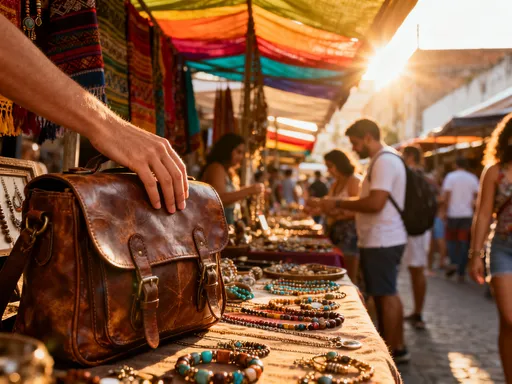
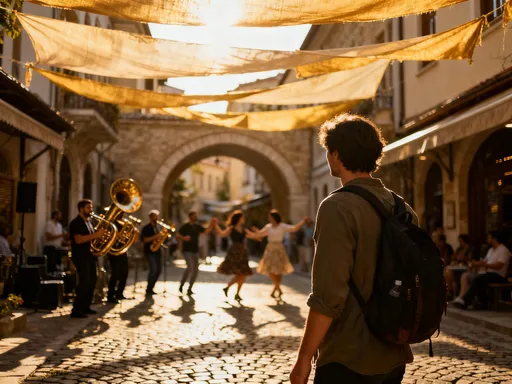
In Agana, art does not live in isolation. It is woven into the rhythm of daily life, celebrated in communal spaces, and passed down through generations during festivals and markets. The Agana Saturday Market, held monthly in the central plaza, is a vibrant example of this integration. More than a place to buy goods, it is a cultural gathering where music, dance, craft, and storytelling come together in a joyful expression of identity. Vendors sell handmade jewelry crafted from native seeds and shells, woven baskets, and paintings inspired by island legends. Local musicians play on bamboo flutes and drums, their rhythms syncing with the sway of dancers in traditional attire.
What makes the market special is its inclusivity. Elders sit under shade tents, sharing stories with young artists. Children learn to weave under the guidance of grandmothers. Spoken word performances in both English and Chamorro address themes of resilience, love for the land, and cultural pride. The backdrop is often a large mural or a painted banner, transforming the space into a living stage. This blending of art and community turns the market into a dynamic cultural laboratory—one where tradition is not frozen in time, but actively evolving.
Other events, such as the Guam Micronesia Island Fair and the Liberation Day celebrations, also feature strong artistic components. Floats in parades are elaborately decorated with handmade crafts, and performance stages showcase dance troupes from across the Pacific. These events draw both locals and visitors, creating opportunities for cross-cultural exchange. For families, they offer a festive, educational atmosphere where children can engage with their heritage in a joyful, accessible way.
Timing a visit around these events greatly enhances the experience. March, during Chamorro Heritage Month, is particularly rich in programming. Churches, schools, and community centers host art exhibits, cooking demonstrations, and storytelling sessions. The atmosphere is warm, welcoming, and deeply rooted in shared values. Even outside festivals, smaller gatherings—like a neighborhood art class or a beachside poetry reading—reflect the same spirit of communal creativity.
For travelers, participating in these events is a way to move beyond observation and into participation. Clapping along to a song, trying a weaving technique, or simply sharing a meal with locals can create lasting memories. It also supports the community directly, ensuring that cultural practices continue to thrive. In Agana, art is not a spectator sport—it is a shared language of belonging.
Navigating Agana’s Art Trail: A Practical Guide
For those ready to explore Agana’s artistic landscape, a well-planned half-day itinerary can offer a rich and rewarding experience. Begin in the morning at the Plaza de España, where the cool air and soft light create an ideal atmosphere for viewing murals and absorbing the historical context. From there, walk south along Chalan Santo Papa, pausing at each major artwork to read the plaques and take photographs with respect. Continue to the Guam Museum, where a 45-minute visit can deepen understanding of the island’s cultural journey.
After a light lunch at a local café offering Chamorro favorites like kelaguen or red rice, head to the Latte of Freedom Complex for any ongoing exhibitions. If visiting during a festival or market day, allow extra time to engage with vendors and performers. Comfortable walking shoes, a wide-brimmed hat, and a reusable water bottle are essential, as the tropical climate can be humid and sun exposure intense. Public buses run regularly through Agana, but ride-sharing services or guided cultural tours offer more flexibility and insight.
Respectful tourism is key. Avoid touching murals or entering private properties without permission. When photographing people, always ask first. Support artists by purchasing directly when possible, and credit creators when sharing images online. Most importantly, practice slow tourism—pause, listen, and let the city reveal itself at its own pace. This is not a checklist to complete, but a story to absorb.
Why Agana’s Art Matters—And Why You Should Care
Agana’s art is more than aesthetic expression. It is an act of cultural survival. In a world where small island identities are often marginalized or erased, these murals, galleries, and community gatherings are bold declarations of presence. They say: We are here. We remember. We create. For the Chamorro people, art is a way of healing from historical trauma, reconnecting with language and land, and passing wisdom to future generations. For visitors, it is an invitation—to see beyond the beachfront resorts, to listen to voices often unheard, and to recognize the universal power of creativity.
Traveling with intention means more than collecting photos. It means leaving with understanding. In Agana, every brushstroke, every woven thread, every spoken word in Chamorro is a thread in a larger tapestry of human resilience. By engaging with this art respectfully, travelers become part of that story—not as outsiders, but as witnesses and allies. The beauty of Agana is not just in what it shows, but in what it teaches: that even in small places, culture can flourish, and art can transform the ordinary into the sacred.
So the next time you plan a Pacific getaway, consider not just the ocean, but the soul of the place. Step into Agana with curiosity and care. Let the murals speak to you. Let the artists guide you. And discover, as so many have, that the most unforgettable journeys are not measured in miles, but in moments of connection.